
Ute Loans Explained: Finance Your Work Horse in Australia

Financing a work ute is one of the most common vehicle finance decisions in Australia, and the ute loan Australia buyers choose often matters more than the sticker price. A ute carries your tools, tows your trailer, and keeps a small business billing, so every extra percentage point on the loan comes straight out of your working budget. This guide explains how a ute loan works, what rates you should expect in 2026, and which finance structure suits a work vehicle loan. Read the takeaways first, then use the sections to build your own quote.
Table of Contents
- Quick Takeaways
- What Is a Ute Loan and Who Qualifies
- Ute Loan Rates in 2026
- Secured or Unsecured Ute Finance
- Low Doc and Business Ute Loans
- Ute Finance Options Compared
- Fees, Comparison Rates and Total Cost
- How to Apply for a Ute Loan With a Broker
- Insurance and Warranty for Your Work Ute
- Frequently Asked Questions
- References
Quick Takeaways
| Key Insight | Explanation |
|---|---|
| Benchmark every quote against 7.48% p.a. | Mozo’s July 2026 figures put the prime secured car loan average at around 7.48% p.a. Any secured ute offer above that rate needs a clear reason. |
| Secure the loan whenever the ute qualifies | Unsecured personal loans average around 13.87% p.a., so a secured structure saves thousands over the term. |
| Compare comparison rates, not headline rates | ASIC Report 832 findings, as cited by Mozo, show establishment fees can reach $9,000 on a single loan. |
| Price in the RBA’s 2026 rate increases | The RBA raised the cash rate to 4.35% in May 2026, so quotes from 2024 no longer reflect the market. |
| Use low doc only when standard documents fail | Reduced documentation helps self-employed buyers get approved, but it usually costs more than a full documentation loan. |
| Get pre-approval before you negotiate | A confirmed borrowing limit lets you negotiate the ute price as a funded buyer, not a buyer hoping for finance. |
What Is a Ute Loan and Who Qualifies
A ute loan is a secured vehicle loan that funds the purchase of a utility vehicle, with the ute held as security until the debt is repaid. Lenders treat it as a vehicle finance product, so the terms look much like a standard car loan. Once the loan is approved and the contract is signed, the lender pays the seller.
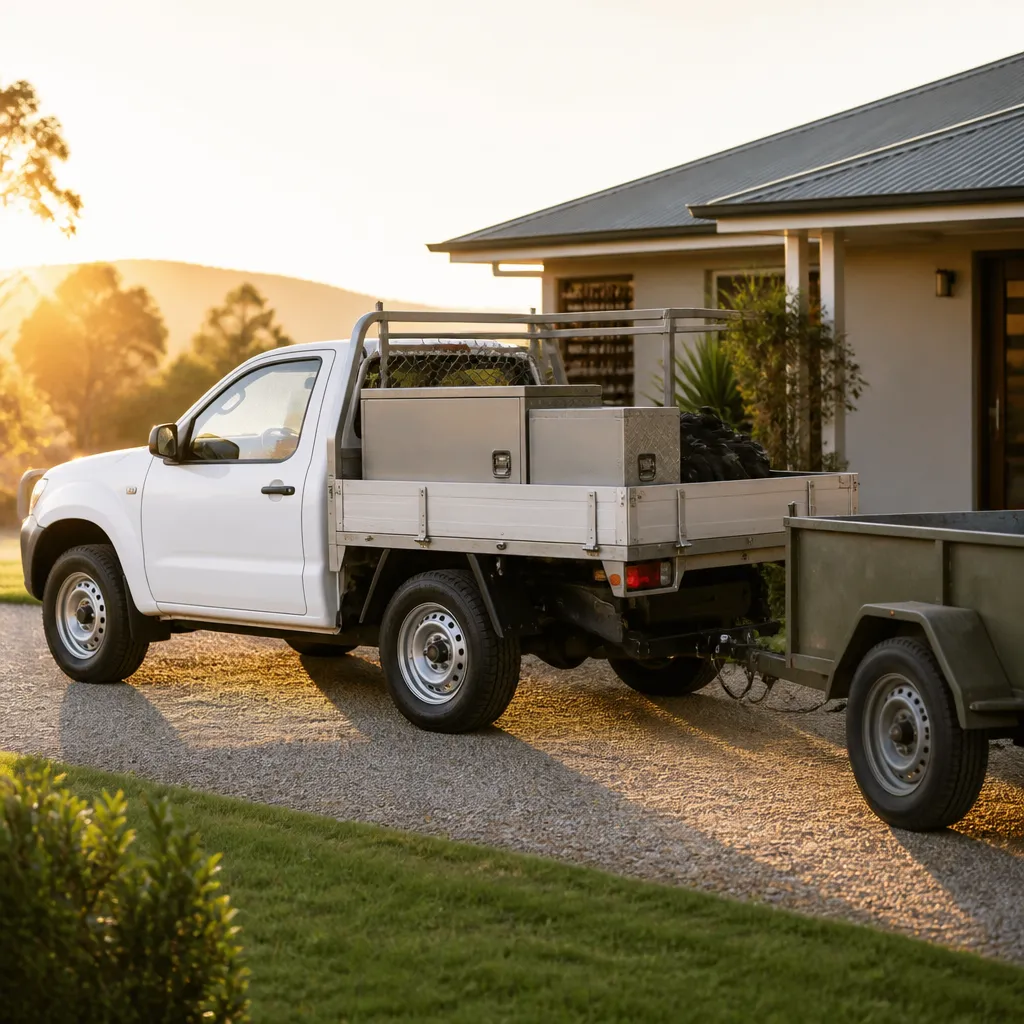
Three groups buy utes most often: private buyers who need a vehicle for home projects and recreation, tradies who need a work vehicle, and businesses adding a vehicle to a fleet. Each group faces different lender questions, so the paperwork you bring must match how you use the ute.
How a Ute Loan Is Secured
Because the ute secures the loan, the lender can repossess the vehicle if repayments stop. That security is why secured rates sit well below unsecured personal loans. The vehicle is the collateral, and that single fact drives most of the pricing you will see.
Lenders also value the ute itself. A newer ute with lower kilometres supports a larger loan, while an older or high-kilometre vehicle often pushes you toward a smaller loan or an unsecured option. Check the age and condition of the ute before you agree a price with the seller.
Who Qualifies With Varying Credit Histories
Lenders assess your income, existing debts, and credit history before they assess the ute. A clean credit file gives you the widest choice of lenders. A patchy file does not rule you out, but it narrows the panel and makes an experienced broker more valuable.
We work with customers across varying credit histories, and the method stays the same. We match your profile to the lenders most likely to approve it. Each direct application leaves a credit enquiry on your file, so screening lenders first protects your score.
Ute Loan Rates in 2026
Mozo’s July 2026 benchmarks, which draw on RBA lender rate data, put the average secured car loan rate for prime borrowers at around 7.48% p.a. Those benchmarks cover car loans, so use that figure as the yardstick for a ute quote. A secured offer below it is a competitive result.
The overall market average across all borrower types sits at around 8.92% p.a. Competitive rates from credit unions and online lenders start from around 5.9% to 6.5% p.a. If your quote lands above 8.92%, you are paying more than the typical borrower.
The Three Benchmarks That Decide a Ute Quote
Three numbers tell you whether a quote is fair. A new secured loan below 7.48% p.a. beats the prime average. A used ute secured loan below the 8.92% market average is a solid outcome. Green and electric vehicle loans start from around 7.15% p.a., typically 0.5% to 1.0% below standard secured rates.
If the ute you are buying is electric, ask whether it qualifies for a green or EV rate before you sign. Get the answer in writing, because a verbal yes does not change your repayment schedule.
Why the Cash Rate Change Matters for Your Quote
The RBA raised the cash rate to 4.35% in May 2026, following earlier increases in February and March. Variable rates across loan types moved higher as a result. Any ute quote you saw in late 2023 or 2024 no longer reflects today’s market, so request fresh figures before you budget.
Price the loan before you price the ute. The interest rate you lock in shapes the true cost of the vehicle more than the gap between two sellers.
Secured or Unsecured Ute Finance
Choose a secured ute loan whenever the vehicle qualifies. Unsecured personal loans average around 13.87% p.a. according to Mozo’s July 2026 figures. Secured car loans typically cost 4 to 6 percentage points less than an unsecured loan used for a car purchase.
When a Secured Ute Loan Wins
A secured loan wins on almost every new or reasonably recent ute. On a $45,000 loan over five years, the gap between secured and unsecured structures is roughly $11,000 in extra interest, based on Mozo’s worked example. That money could fund tools, tyres, or a second vehicle, so it is never a small detail.
Secured funding also opens more lenders and sharper rates. A broker should compare secured lenders first, because that is where the lowest total cost sits for most ute buyers.
When an Unsecured Loan Makes Sense
An unsecured loan makes sense only when the ute is too old or too inexpensive to qualify for security. Use it as a short-term solution, such as a tradie replacing a failed work ute on a tight timeline. Repay it quickly, and set a schedule that clears the balance before the ute loses more value.
Do not stretch an unsecured loan over a long term to shrink the repayment. The interest bill climbs fast, and you end up paying far more than the ute is worth.
Low Doc and Business Ute Loans
Low doc ute loans suit self-employed buyers whose income is hard to prove with standard payslips and tax returns. They accept reduced documentation, which speeds up the application. Expect a higher rate than a full documentation loan, so compare the total cost before you commit.
Low Doc Ute Loans for Self-Employed Buyers
If you run a trade business, the ute is a tool of the trade, and the lender will want proof that the business earns enough to service the loan. Bring your most recent financial records, a clear description of business activity, and recent bank statements. Lenders look closely at deposit patterns, so show consistent turnover rather than one large month.
Low doc is a documentation solution, not a pricing solution. Use it when your tax returns cannot support a standard application, and do not use it simply because it looks faster.
Structuring a Ute Purchase Through a Business
Buying through a company or sole trader business changes which lender panel fits. Business and commercial vehicle loans sit alongside personal vehicle loans, and each uses its own documents. We also arrange commercial vehicle and truck loans for larger work vehicles.
Ask your accountant how the purchase affects your tax position before you choose the structure. The loan decision and the tax treatment are separate questions, and mixing them up leads to expensive mistakes.
Ute Finance Options Compared
Three structures cover most ute purchases, and each suits a different buyer. The table below sets out the trade-off for each option. Pick the one that matches your credit profile, your paperwork, and the age of the vehicle.
| Finance Option | Best For | Main Trade-off |
|---|---|---|
| Secured ute loan | New or recent utes with a clear income and a standard credit file | The ute is held as security until the loan is repaid |
| Unsecured personal loan | Older or low-value utes that lenders will not secure | Average rate around 13.87% p.a., far above secured rates |
| Low doc ute loan | Self-employed tradies whose income is hard to prove with standard documents | Reduced documentation usually comes with a higher rate |
Verdict on Each Structure
Secured wins on cost and should be your default. Unsecured fills a gap for older vehicles, and you should repay it fast. Low doc solves a documentation problem, so use it only when your tax returns do not support a standard application.
Choose by eligibility first, then by total cost. A cheap headline rate on a structure you do not qualify for is worthless, so confirm eligibility before you compare prices.
Fees, Comparison Rates and Total Cost
The headline interest rate is only part of what you pay. Establishment fees, ongoing account fees, and early repayment terms all change the true cost of a ute loan. Mozo’s July 2026 update cites ASIC Report 832, which found establishment fees on car loans can reach $9,000 on a single loan.
Establishment Fees to Check Before You Sign
Ask every lender for their full fee schedule in writing. Ask them to separate the establishment fee from the interest charge so you can see each cost on its own. A large establishment fee can cancel out a rate advantage, so calculate the full cost before you accept any offer.
Why the Comparison Rate Beats the Headline Rate
The comparison rate folds most fees into one annual figure, which makes two offers easier to compare. Always compare the comparison rate, not just the headline interest rate. It is the most reliable check on the true annual cost of a loan you have not yet signed.
Pro tip: Put the ute’s purchase price, your deposit, and the total repayable amount into one spreadsheet for every offer. The offer with the lowest monthly repayment is often the most expensive over the full term.
How to Apply for a Ute Loan With a Broker
Start with pre-approval before you negotiate the price with a seller. Pre-approval shows the seller you are a funded buyer and tells you the maximum you can borrow. It also stops you from falling for a ute you cannot finance.
As a vehicle finance broker, we compare lenders from over 40 lenders and credit providers, so you complete one application process instead of a dozen separate forms. Mobile broker visits let you finish the paperwork where it suits you, whether that is home, the workshop, or the job site.
Documents to Prepare Before You Apply
Gather photo ID, recent payslips or business financials, bank statements, and details of existing debts before your first appointment. Include the seller’s invoice or quote, because the lender needs the confirmed purchase price to set the loan amount. In practice, missing documents cause most of the delays we see.
Same-Day Approval in Practice
Same-day approval is one of our services, and it happens when your paperwork is complete and the ute details match the quote. Incomplete files take longer, and no broker can speed up a lender’s assessment once it has started. Submit a complete pack on the first visit to give yourself the best chance of a same-day answer.
Pro tip: Get the seller’s invoice in writing before you apply. A lender cannot set the loan amount without a confirmed purchase price, and a verbal figure stalls approval.
Insurance and Warranty for Your Work Ute
Insurance is part of the loan decision, not an afterthought. Secured lenders expect the ute to be insured for as long as it secures the debt. Arrange cover before settlement so the vehicle is protected from the first day you drive it.
Arranging Insurance Alongside the Loan
We arrange vehicle insurance brokerage alongside your finance, so you can compare cover against your repayments in one conversation. Check that the policy matches how you use the ute, including business use and towing. A policy that excludes work use leaves you exposed when you need it most.
Warranty Cover for Commercial Use
Insurance covers accidents and theft, while a warranty addresses mechanical faults. A ute that works hard in a trade business racks up kilometres quickly, so choose a warranty whose kilometre limits suit your annual distance. Read the exclusions before you sign, because a warranty that excludes commercial use protects you less than it appears to.
Frequently Asked Questions
Can I get a ute loan in Australia with a less than perfect credit history?
Yes. We serve customers with varying credit histories, and we match your profile to the lenders most likely to approve it. Expect fewer lenders and a higher rate than a clean file receives, so bring a solid deposit and complete paperwork.
Is a ute loan the same as a car loan?
For finance purposes, yes. Lenders assess a ute as a vehicle and secure the loan against it, so the car loan benchmarks in this guide apply to your quote.
Do I need a deposit for a ute loan?
A deposit lowers the amount you borrow and reduces the total interest you pay. Put your deposit toward the purchase price rather than toward fees.
Can I finance a ute through my business?
Yes. Business and commercial vehicle loans sit alongside personal vehicle loans, and each uses different documents. Confirm the tax treatment with your accountant before you choose the structure.
How long does ute loan approval take?
Same-day approval is available when your paperwork is complete and the ute details match the invoice. Incomplete applications take longer, so check your documents before your first appointment.
To find out more or to discuss your options with a professional broker, please contact On Road Finance on 1300 518 580 or visit https://onroadfinance.com.au/application-form to complete an application form today!
Tell us about your experience financing a work ute, including the rate you were offered and the documents the lender asked for.
We would love your feedback and any insights you would share with others. What perspective would you add?
