
Trike Finance Australia: Sidecar and Three-Wheeler Loans

Trike finance Australia is harder to arrange than a standard motorcycle loan, and many buyers only find that out after a declined application. A three-wheeler or sidecar combination doesn’t sit neatly in the categories lenders use for bikes, so a form that looks simple can stall at the valuation or registration stage. This guide shows you what lenders check, which loan types suit non-standard motorcycles, and how to prepare so your application gets assessed rather than rejected. If you own a trike or sidecar, or you’re about to buy one, follow the steps below.
Table of Contents
- Quick Takeaways
- Why Trike and Sidecar Finance Is Different
- Registration and Compliance Come First
- How Lenders Assess Non-Standard Motorcycles
- Loan Options for Three-Wheelers
- Low Doc and Self-Employed Applicants
- Trikes for Work and Business Use
- Insurance, Warranty and Repayment Planning
- Common Mistakes in Trike Applications
- Frequently Asked Questions
- References
Quick Takeaways
| Key Insight | Explanation |
|---|---|
| Register before you borrow | Confirm the vehicle’s registration category with your state or territory registry, then bring the written confirmation to your broker. |
| Expect a narrower lender list | Most mainstream lenders don’t assess three-wheelers and sidecars the same way they assess standard bikes, so start with lenders that accept them. |
| Documentation decides the file | Keep purchase receipts, modification records and inspection paperwork together so the valuer and assessor have everything they need. |
| Match the loan to the vehicle’s use | A secured motorcycle loan suits a clean, recognisable vehicle, while a business loan suits a trike that earns income. |
| Use a personal loan when valuation blocks you | Unsecured borrowing removes the valuation problem but usually costs more, so compare total repayments before you sign. |
| Budget insurance before you buy | Quote cover early, disclose modifications accurately and factor the premium into your repayment limit. |
| Set your maximum repayment first | Work backwards from the monthly amount you can afford, not from the price a seller quotes you. |
Why Trike and Sidecar Finance Is Different
A trike is a motorcycle-style vehicle with three wheels, and a sidecar is a passenger pod attached to the side of a motorcycle. Both fall outside the standard two-wheeler profile that most motorcycle lenders are built around. That gap is why a loan on a standard road bike can be approved in a day, while a custom three-wheeler can sit in review for a week.
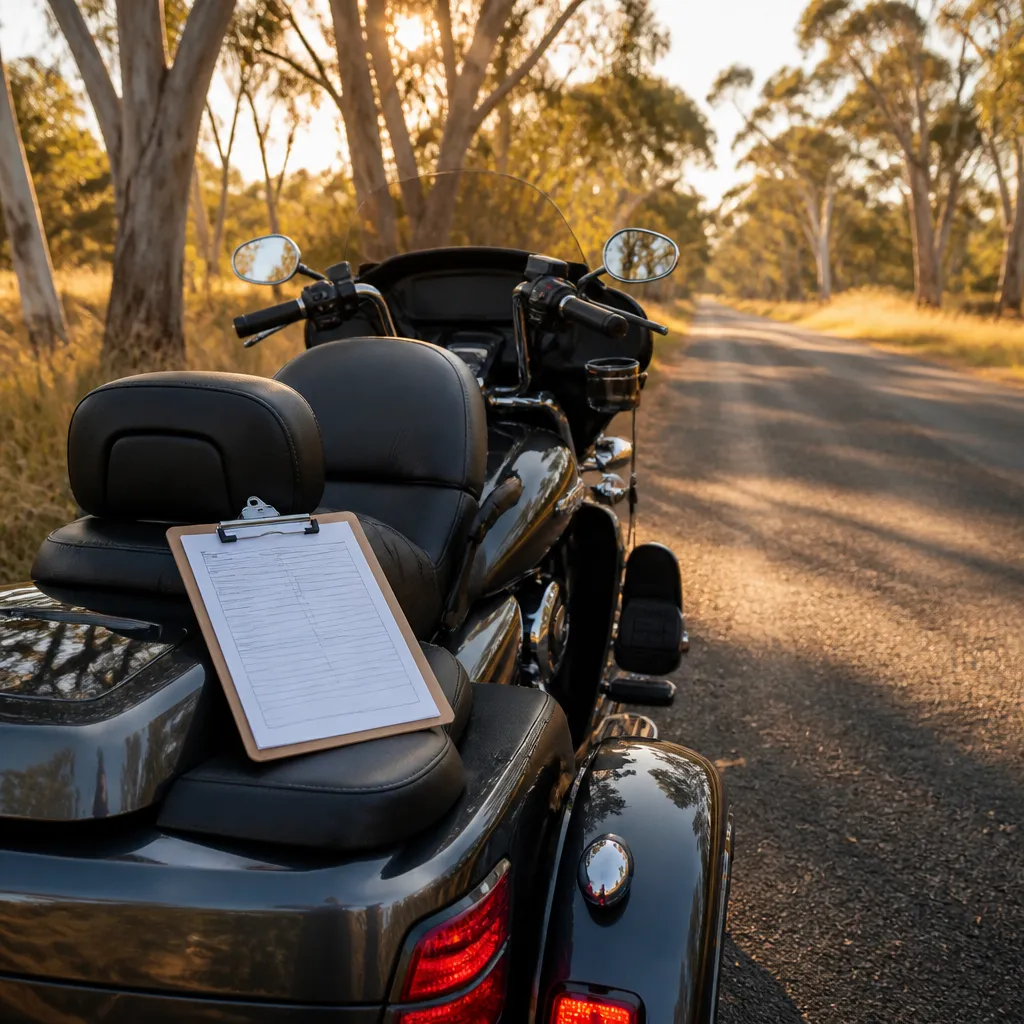
In practice, the lender’s first question is not about your income. It’s about what the asset is and whether the lender can sell it if repayments stop. If the answer is unclear, the application goes to manual review or gets declined outright. Your job is to remove that uncertainty before you submit.
How lenders categorise a three-wheeler
Lenders sort vehicles into categories, and each category carries its own rules for security, loan term and maximum amount. A three-wheeler often fits no clean category, so the assessor has to choose one. Ask the lender to confirm the category in writing before you commit to a purchase, because the wrong category means a loan structure you didn’t plan for.
What makes a sidecar a harder sell
A sidecar combination is two vehicles in one: a motorcycle and a passenger pod. Lenders have to value both parts, and a pod built by a third party rarely has a clear market price. A lower valuation cuts the amount a lender will advance, so the gap between your price and the approved figure often lands on your deposit.
Registration and Compliance Come First
Your state or territory registry decides how a three-wheeler or sidecar combination is classified for registration, and that classification shapes which loans are available. Before you speak to a lender, confirm the category with your registry and keep the written confirmation. Lenders won’t approve a loan on a vehicle whose registration status they can’t verify.
Confirm the registration category with your state registry
Each state and territory sets its own rules for three-wheelers and modified vehicles. Don’t rely on a seller’s description or an answer from a forum. Call the registry or check its official website, note the reference number or date of your enquiry, and pass that information to your broker.
Paperwork that proves the vehicle is legal to ride
Lenders want evidence that the trike or sidecar is legal to use on public roads. Gather the registration certificate, any inspection or modification approval, and the seller’s documentation for the build. A missing approval turns a standard file into a referral, and referrals take longer. The buyers who settle fastest arrive with a complete folder.
Pro tip: Photograph every compliance document and the vehicle’s identification plates before you contact a broker. Clear images let your broker check each lender’s requirements against your file before anything goes in.
How Lenders Assess Non-Standard Motorcycles
Every motorcycle loan rests on one question: if the borrower defaults, can the lender recover the vehicle and sell it for enough to cover the debt? For a standard bike, the answer comes from an established resale market. For a three-wheeler or sidecar, the answer is less certain, so the assessment gets tougher. Your application has to answer that question before the lender asks it.
A lender lends against what it can sell. Any loan on a vehicle with a thin resale market will be priced or declined to match that risk.
Valuation and resale risk
Valuation drives the loan amount. A lender values a trike against comparable sales, and when few comparable sales exist, the valuer takes a conservative view. Bring evidence of what you paid, receipts for any upgrades, and listings of similar vehicles for sale. A well-documented purchase price gives the valuer something solid to work with.
Modified and custom builds
Custom work adds cost and complicates the file. A bespoke frame, an aftermarket engine or a homemade pod may add real value for you, but lenders rarely price that value into the loan. Separate the factory specification from the modifications in your paperwork. That way the valuer can price the base vehicle properly, and you can show the upgrades with receipts.
Loan Options for Three-Wheelers
You have three realistic routes for a trike or sidecar, and each one suits a different buyer. A secured motorcycle loan uses the vehicle as security and gives the best structure when registration and valuation are clean. The other routes exist for the cases where the vehicle itself is the obstacle. Choose the route that matches your situation, not the one that a lender advertises most loudly.
Secured motorcycle loans
A secured motorcycle loan is the default for buyers with clean registration and a recognisable make. Because the vehicle secures the debt, the lender can offer a structure that suits a motorcycle purchase. Your broker can place the application with lenders that accept three-wheelers in this category, which saves you from applying to lenders that will decline on the spot.
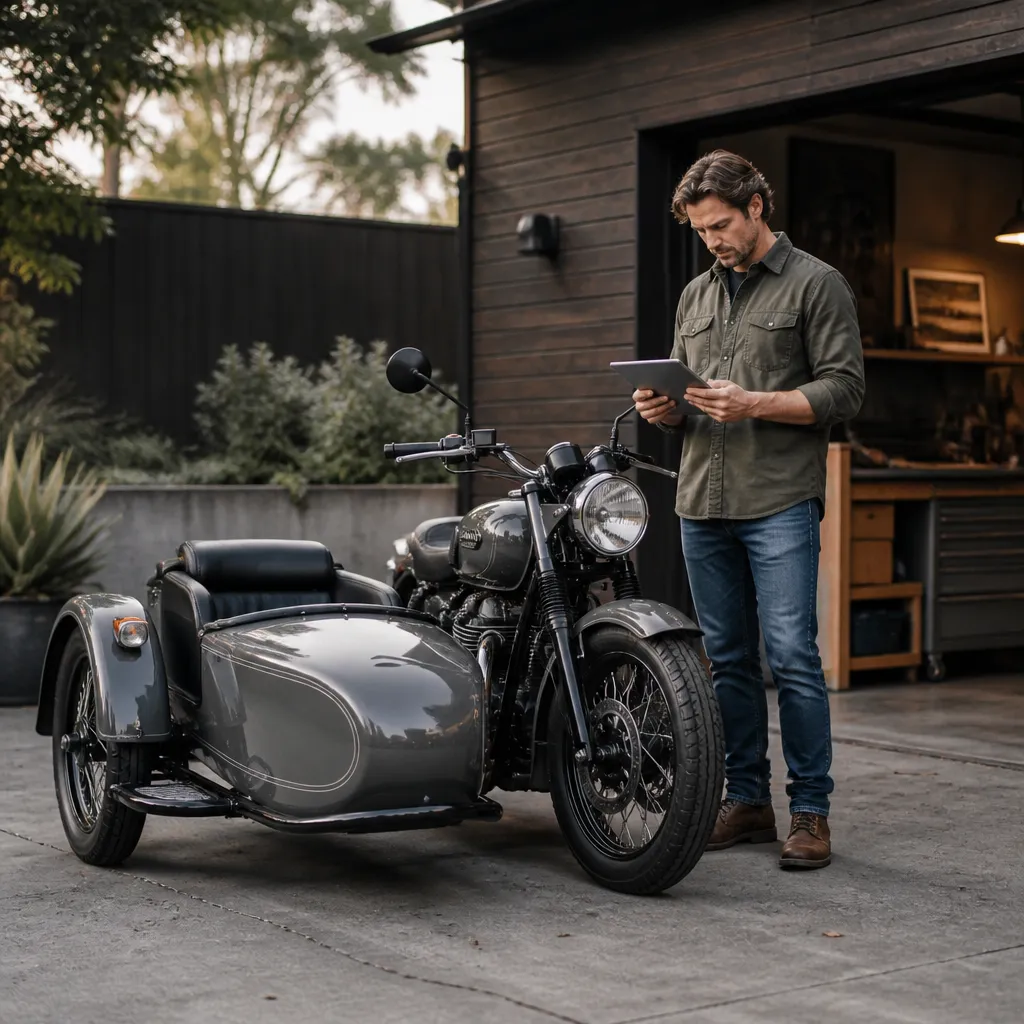
Unsecured personal loans
A personal loan suits a trike that lacks a clear resale value. The loan doesn’t depend on the vehicle, so valuation problems disappear. The trade-off is cost, because unsecured borrowing usually carries a higher interest rate than a secured loan. Use the finance repayment calculator to test your numbers before you accept any offer.
Business and commercial vehicle loans
If the trike earns income, a business equipment or commercial vehicle loan fits better than a consumer product. These loans assess the business purpose, so your application rests on income from the vehicle rather than your personal budget alone. Expect to provide business documentation that supports the stated purpose.
Compare the three routes side by side before you choose one.
| Loan option | Best for | Main trade-off |
|---|---|---|
| Secured motorcycle loan | Clean registration and a recognisable make | Valuation drives the amount you can borrow |
| Unsecured personal loan | Trikes with little resale value | Higher cost, so compare total repayments |
| Commercial vehicle or equipment loan | Trikes used to earn business income | Requires business documents that prove the work purpose |
Low Doc and Self-Employed Applicants
A low doc loan lets self-employed buyers apply with limited standard income documents, which matters when your tax returns don’t reflect your current earnings. Low doc products carry different criteria and usually a different price, so treat them as a specific tool rather than a fallback. For a trike or sidecar, the product works best when you have a genuine reason to buy and a clear way to repay.
When a low doc loan fits a trike purchase
A low doc loan fits self-employed tradespeople and contractors who have strong cash flow but thin paperwork. Use it when your business is trading well and your returns understate your income for the year. Don’t use it to fund a purchase you can’t service, because the higher cost punishes weak repayment capacity.
Documents that strengthen a low doc application
Lenders still assess the business, so present it clearly. Provide recent business bank statements, your ABN details and a short summary of how the business earns its income. A broker who understands low doc criteria will match your file to the lenders most likely to accept it. Keep the statements tidy, because a messy bank record invites questions you can’t answer quickly.
Pro tip: Pull your business bank statements for the past year and mark the deposits that match your invoices. Lenders check whether the income in your statements matches the income you describe, and a clean match speeds up the decision.
Trikes for Work and Business Use
A three-wheeler used for courier runs, mobile service calls or hauling gear is a business asset, and it should be financed as one. Structure the loan around that use, because the lender’s assessment changes once the vehicle earns money. Mixing personal and business use on one application creates confusion you don’t need.
Choosing between a commercial vehicle loan and an equipment loan
Commercial vehicle loans suit trikes registered and used mainly for transport. Business equipment loans suit a sidecar or trike that works as a tool, such as a pod fitted out to carry tools on a job site. Name the primary use on the application and make sure your evidence matches it. When the evidence and the stated use disagree, the application stalls.
Using mobile broker visits for business owners
Business owners rarely have a free afternoon to visit a branch with a file in hand. Mobile broker visits let you sit down with a broker and gather the documents in one meeting. Bring your trade licence, your invoices and the vehicle paperwork to that meeting, so the file leaves the room complete.
Insurance, Warranty and Repayment Planning
Insurance and repayments decide whether a trike loan stays affordable after settlement. A vehicle that costs more to insure than you budgeted will squeeze your repayments, and a lender will want proof of cover before the loan settles. Plan these costs alongside the loan rather than after it.
Insuring a non-standard motorcycle
Insurers price three-wheelers and sidecars differently from standard bikes, and quotes can vary widely. Get quotes early and disclose modifications accurately. A policy that undervalues the pod or the upgrades will pay less when you claim. Our vehicle insurance brokerage service can compare cover options alongside your loan, so you see the full cost in one place.
Warranty cover and the repayment calculator
Warranty and insurance costs can be financed with the loan, which raises the repayment amount. Test the total with the finance repayment calculator before you accept any offer. Run the numbers with and without add-ons, then decide which cover is worth its cost. A lower monthly figure means little if the total repayment climbs by thousands.
Common Mistakes in Trike Applications
Most declined trike applications fail for the same handful of reasons. Each mistake is avoidable once you know it’s coming. Fix these before you submit, and you’ll move through the process faster than most buyers do.
Applying to lenders that don’t accept three-wheelers
Sending an application to a lender that doesn’t accept the vehicle type wastes time and adds an enquiry to your file. Ask your broker which lenders accept three-wheelers and sidecars before anything goes in. A broker working with more than 40 lenders and credit providers can narrow the list quickly.
Buying before the finance is approved
Committing to a seller before the loan is approved puts you in a weak position. If the lender values the trike below the agreed price, you cover the gap in cash or walk away from the deal. Get your finance position in writing, then negotiate with a price you can actually fund.
Ignoring the total cost of borrowing
Focusing only on the monthly repayment hides the real cost. A longer term lowers the monthly figure and raises the total you pay. Compare the total cost of each loan, and choose the shortest term your budget supports.
Pro tip: Set your maximum monthly repayment before you look at any trike, then work backwards to the price. This stops a seller from pushing you into a bigger loan than you can service.
Frequently Asked Questions
Can I get finance for a three-wheeler or sidecar in Australia?
Yes, but expect a narrower lender list than you’d face with a standard motorcycle. Confirm the registration category first, then apply through a broker who knows which lenders accept non-standard motorcycles.
How do lenders treat a sidecar combination?
Lenders value the combination as a whole, so your paperwork should show the motorcycle and the pod separately. Clear separation lets the valuer price each part and reduces the risk of a lower approval figure.
What is a three-wheel motorcycle loan?
A three-wheel motorcycle loan is a finance product for a three-wheeled motorcycle-style vehicle. It can be secured against the vehicle or structured as an unsecured personal loan, and the right choice comes down to the vehicle’s registration, valuation and resale value.
Can I finance a trike if I’m self-employed?
Yes. A low doc loan suits self-employed buyers who lack standard income documents. Bring recent business bank statements and your ABN details, and make sure the deposits match the income you describe.
Do I need insurance before my loan settles?
Yes. Arrange cover early, because non-standard vehicles take longer to quote, and lenders want proof of cover before settlement. Disclose every modification so the policy pays out in full when you claim.
Should I choose a secured or unsecured loan for a trike?
Choose a secured motorcycle loan if the trike has clean registration and a recognisable resale value. Choose an unsecured personal loan if valuation is the obstacle, and compare the total repayment on both options before you sign.
To find out more or to discuss your options with a professional broker, please contact On Road Finance on 1300 518 580 or visit https://onroadfinance.com.au/application-form to complete an application form today!
Tell us which lender questions caught you out or share the trike or sidecar you financed, because your experience helps other riders avoid the same mistakes.
