
New Car Loan vs Used Car Loan: Which Saves More?

A new car loan often looks cheaper on paper because the interest rate is lower, yet many Australian buyers who choose a used car finish with less debt and more money left over. The answer depends on which cost you measure. Interest rate, depreciation, fees and loan length all pull in different directions, and a loan that looks cheap on the headline rate can cost more over five years. In this guide we work through the numbers using July 2026 rate benchmarks so you can decide which option saves you more before you sign.
Table of Contents
- Quick Takeaways
- How Interest Rates Differ for New and Used Cars
- What the Rate Gap Costs Over a Full Loan Term
- Depreciation: Where a New Car Can Cost You More
- Fees and Comparison Rates That Change the Real Cost
- Who Should Choose a New Car Loan
- When a Used Car Loan Saves You More
- Comparing Your Three Main Loan Options
- Structuring Your Loan to Cut Total Cost
- Common Mistakes That Cost Buyers the Most
- Frequently Asked Questions
- References
Quick Takeaways
| Key Insight | Explanation |
|---|---|
| Prime secured rates set the benchmark | The average secured car loan rate for prime borrowers sat around 7.48% p.a. in July 2026 benchmarks, so anything below that is a solid result. |
| Used car rates usually run higher | Lenders treat older vehicles as higher risk, so a used car loan is often priced above a new car loan for the same borrower, though still well below unsecured finance. |
| Unsecured loans cost the most | The average unsecured personal loan used for a car sits near 13.87% p.a., which can add thousands of dollars in interest on a $45,000 loan. |
| Depreciation can outweigh the rate | A new car loses value fastest in its early years, so a lower rate can still leave you owing more than the car is worth. |
| Fees can flip the cheaper option | Establishment fees and add-ons matter as much as the headline rate. Always compare the comparison rate and the total amount repayable. |
| Many lenders cap terms on older cars | Vehicle age limits can force a shorter loan on a used car, which raises the repayment but cuts total interest. |
How Interest Rates Differ for New and Used Cars
In the July 2026 benchmarks, the average secured car loan rate for prime borrowers was about 7.48% p.a., while the overall market average across all borrower types was around 8.92%. The spread between those figures reflects borrower mix, but for vehicle purchases the bigger driver is the car itself. A new car is easy for a lender to value and resell, so the security it provides is simple and predictable.
Lenders treat older vehicles as higher risk because their security loses value faster and can be harder to sell if you default. That risk is priced into the rate. In practice, a used car loan is often priced above a new car loan for the same borrower, even though both are secured against the vehicle.
Secured new car loan rates
For a new car, competitive offers from credit unions and online lenders commonly start from around 5.9% to 6.5% p.a. for well-qualified borrowers. Those are starting points, not guarantees, and the rate you actually receive depends on your credit profile, deposit and chosen term.
Used car rates and lender age limits
Used car pricing depends heavily on the vehicle’s age and mileage. Many lenders set a maximum vehicle age at the end of the loan, which can force a shorter term than you wanted. A five-year-old car might qualify for a five-year loan with one lender and only three years with another, so shopping around matters more here than it does on new cars.
Lenders rarely price the borrower alone. They price the car, the term, and the chance that the car is worth less than the loan halfway through.
Pro tip: Ask each lender for the maximum term it will offer on the exact year, make and kilometres of the car you are considering before you commit. Eligibility for a longer term can decide between two offers with similar rates.
What the Rate Gap Costs Over a Full Loan Term
Percentages look small until you multiply them by years. Using our own repayment arithmetic on a $45,000 loan over five years with monthly repayments, the difference between 7.48% and 13.87% comes to roughly $8,500 in extra interest. That is the price of borrowing without the car as security, and it is why we push borrowers to avoid unsecured finance for vehicles they can otherwise secure.
The same logic applies when you compare new and used. A used car may carry a higher rate, but if its purchase price is $15,000 lower, you borrow less and the total interest falls. The real decision is the total cost of the loan, not the rate on its own.
Worked example on a $45,000 loan
Borrow $45,000 over five years at 7.48% and monthly repayments land near $900, with total interest close to $9,100. At 13.87%, repayments climb to around $1,040 a month and total interest passes $17,600. One rate difference adds more than $8,000 to the cost of a single vehicle.
Why a longer term rarely saves you money
Stretching a loan to seven years lowers the monthly repayment, which looks attractive when you are balancing a household budget. The trade-off is more interest paid and a longer period in which the car is worth less than you owe. On a used car, a long term is often unavailable anyway because of vehicle age limits.
Pro tip: Compare total repayments over the full term, not only the monthly figure. A lower repayment often hides a longer term, and the extra years usually cost more than the monthly saving is worth.
Depreciation: Where a New Car Can Cost You More
A new car typically loses value fastest in its first few years, while a used car has already absorbed that early drop. This is the core argument for buying used, and it is often stronger than the rate argument for buying new. A lower rate on a car that is worth less than you owe is not a bargain.
Negative equity is the risk to watch. If your loan balance is higher than the car’s market value, you cannot sell or trade the car without covering the shortfall yourself. Buyers who put down a small deposit and choose a long term are the most exposed.
Negative equity in the first three years
Buyers with small deposits and long loans often owe more than the car is worth for much of the loan. If the vehicle is written off or stolen during that period, insurance pays market value, which may not cover the outstanding balance. Gap insurance can help, but it adds cost, so weigh it against the depreciation you are trying to avoid.
Choosing a used car that has already taken the hit
A two or three-year-old vehicle in good condition often delivers most of the usability of a new car at a lower purchase price. Less of your repayment goes toward depreciation, so more of it builds equity. Check the service history and confirm the car is not subject to finance owing before you commit.
Pro tip: Run a Personal Property Securities Register search on any used car before you sign. It costs little compared with inheriting someone else’s loan or losing a car to a finance claim.
Fees and Comparison Rates That Change the Real Cost
The headline rate is only one line in a loan contract. Establishment fees, ongoing account fees, early repayment terms and dealer add-ons can all change which option is cheaper. A loan at 6% with a large upfront fee can cost more than a loan at 6.5% with no establishment fee.
ASIC Report 832 (June 2026), as summarised in the July 2026 benchmark data we reviewed, found establishment fees on some car loans can reach $9,000 on a single loan. That is a sizeable figure for one product, which is why fee disclosure deserves as much attention as the rate.
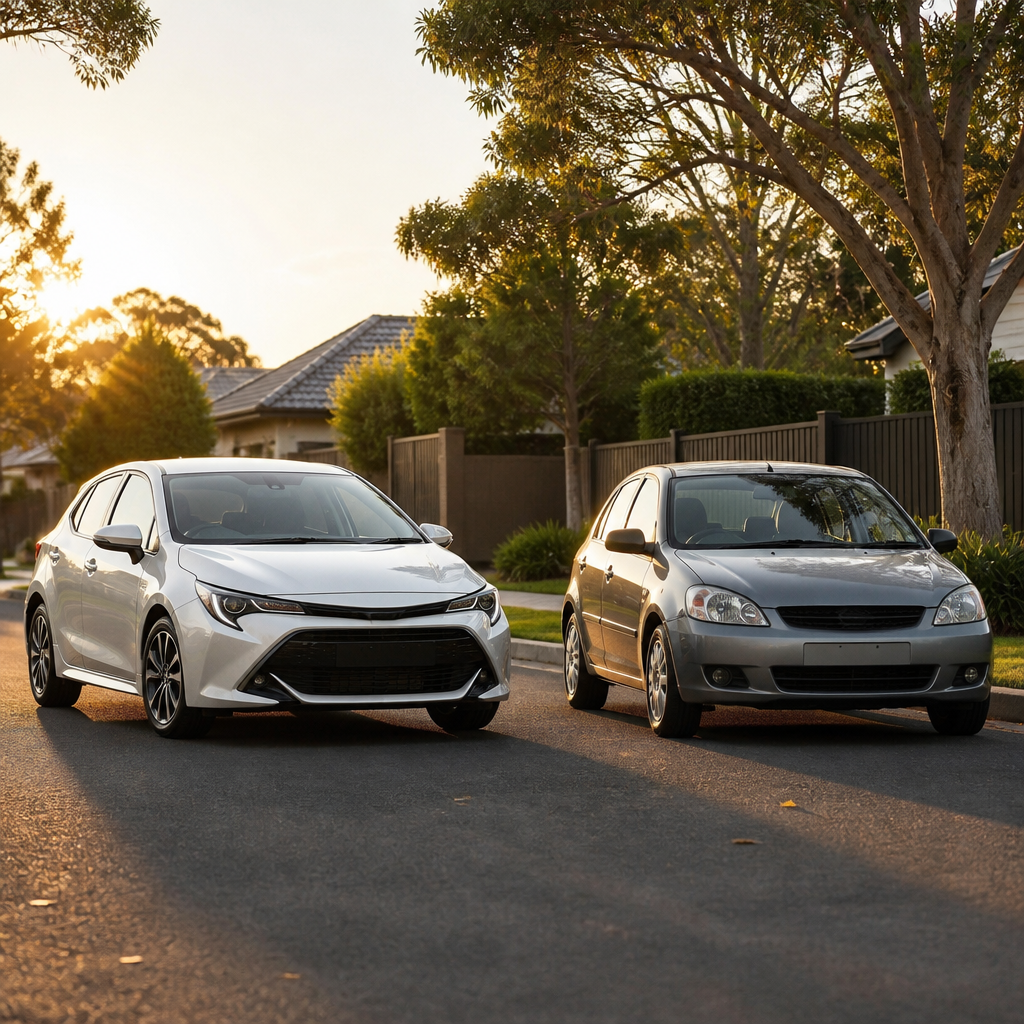
Reading the comparison rate correctly
The comparison rate combines the interest rate with most mandatory fees into one annual figure. It is useful for comparing products on a like-for-like basis, but it assumes a standard loan amount and term, so it will not match your exact outcome. Use it to shortlist, then calculate the total repayable.
Dealer add-ons and bundled products
Dealers often bundle warranties, paint protection and finance-linked insurance into the loan. Each add-on increases the amount you borrow and the interest you pay on it. On a used car, these extras can represent a larger share of the vehicle’s value, which makes them harder to justify.
Pro tip: Ask for the total amount repayable on every offer in writing. If a lender cannot provide that figure on the spot, treat it as a warning sign and move on.
Who Should Choose a New Car Loan
A new car loan makes the most sense when you plan to keep the vehicle for a long time, want a specific model with full factory warranty, or need a vehicle that suits a business use case. Business buyers should confirm how depreciation and interest will be treated for their structure before deciding. The rate advantage is real, but it has to justify the faster loss of value.
New cars also suit buyers who want predictable running costs. A factory warranty covers major faults in the early years, which offsets some of the premium you avoid by going used.
Long ownership and low-mileage use
If you will keep a car for eight years or more and drive modest kilometres, the depreciation is spread over a longer period and a new car becomes a sound choice. A lower rate and a longer warranty tilt the balance in its favour. Keep the loan term short enough that you are never owing more than the car is worth.
Business and commercial purchases
Businesses buying utes, vans or work vehicles often need reliable, warrantied vehicles more than the cheapest option. Commercial clients usually compare the loan against the vehicle’s expected working life, not only its price. Ask your accountant how the asset will be treated before you lock in the structure.
When a Used Car Loan Saves You More
A used car loan usually wins when the vehicle is two to four years old, priced well below the new equivalent and in sound mechanical condition. The lower purchase price reduces the amount you borrow, and the steepest part of the depreciation curve has already passed. Even at a higher rate, total interest can come in lower.
Used car loans also suit buyers on a tighter budget who need a dependable vehicle rather than the latest model. Your deposit goes further, and you can keep a buffer for servicing and repairs, which new car buyers often underestimate.
Matching loan term to vehicle age
The rule we apply is straightforward: the loan should finish before the car is too old to be worth much and before major service costs build up. Many lenders will not write loans beyond a set vehicle age, so confirm that first. A five-year term on a three-year-old car is a common and workable structure.
Buying privately versus from a dealer
Private sales often come with lower prices but fewer protections, and some lenders only finance dealer sales or require an independent inspection. Dealer used cars can cost more but may include a warranty. Arrange finance before you negotiate so you know your real budget and are not negotiating on the monthly figure alone.
Comparing Your Three Main Loan Options
The table below sets out the three routes most buyers consider, using the July 2026 benchmarks as a starting point. Rates move with the cash rate, and the RBA lifted the cash rate to 4.35% in May 2026, so confirm current offers before you decide.
| Loan option | Typical rate benchmark (July 2026) | Best suited to |
|---|---|---|
| Secured new car loan | Prime borrowers averaged about 7.48% p.a.; competitive offers from around 5.9% to 6.5% p.a. | Buyers keeping the car long term or needing full factory warranty cover |
| Secured used car loan | Usually priced above new car rates, with anything below the roughly 8.92% market average a solid result | Buyers wanting the lowest total cost on a car two to four years old |
| Unsecured personal loan for a car | Average around 13.87% p.a. | Only older or low-value cars that cannot be secured against the loan |
Treat the table as a shortlist tool, not a verdict. Your credit history, deposit and vehicle choice will shift the outcome more than any single benchmark. Green and EV car loans, which the benchmark data placed from around 7.15% p.a., are worth checking if your vehicle qualifies.
Structuring Your Loan to Cut Total Cost
Most of the savings come from decisions made before you sign. A larger deposit reduces the amount financed, a shorter term reduces interest, and a clean vehicle history reduces the lender’s risk premium. Each lever is small alone, but together they can change which option is cheaper.
Where your loan allows it, make extra repayments when your budget permits. Confirm there are no early exit fees before you commit, because some products restrict extra payments or charge for them.
Deposit size and loan-to-value
Lenders look at the loan-to-value ratio, which compares the amount borrowed with the vehicle’s value. A deposit that keeps the loan below the car’s value from day one protects you against negative equity and can improve your pricing with some lenders. On a used car, this matters even more because the vehicle is already depreciated.
Offset and redraw features
If you hold savings, an offset account can reduce the interest charged on your loan balance. Offset and redraw features are not available on every product, and they can come with a higher rate. Compare the net cost after the feature is applied, not just the advertised rate.
Common Mistakes That Cost Buyers the Most
The most expensive mistake we see is choosing the loan before choosing the car. Buyers who arrive with a monthly budget often accept the first offer that fits, even when a cheaper car on a shorter term would have cost less overall.
The second mistake is treating dealer finance as the default. Dealer finance can be convenient, but it is not always the cheapest. Getting a pre-approval from an independent broker lets you negotiate on the car price rather than the repayment figure.
Focusing only on the monthly repayment
A low monthly figure can hide a long term, a balloon payment or substantial fees. Ask for the total amount repayable and the comparison rate, then compare those numbers side by side across every offer.
Ignoring the cost of running the car
Insurance, registration, servicing and tyres add to the true cost of ownership. A new car may carry higher insurance premiums, while a used car may need repairs sooner. Build those costs into your budget before you choose the loan.
Pro tip: Test the loan against your budget with running costs included, not just the repayment. A loan that fits the monthly figure can still strain your cash flow once insurance and servicing arrive.
Frequently Asked Questions
Is a new car loan always cheaper than a used car loan?
No. New car loans usually carry lower interest rates, but total cost depends on the purchase price, depreciation, fees and loan term. A used car often costs less overall because you borrow less and avoid the steepest depreciation.
What is a good interest rate for a used car loan in Australia?
Using the July 2026 benchmarks, a secured used car rate below the roughly 8.92% market average is a solid outcome. Exact pricing depends on the vehicle’s age, your credit profile and the lender, so compare several offers.
Why are unsecured car loans so expensive?
Unsecured loans have no vehicle as security, so lenders price in more risk. The benchmark average for an unsecured personal loan used for a car is around 13.87% p.a., which is why they usually cost far more than secured car loans.
Does a longer loan term save money?
Usually not. A longer term lowers the repayment but increases total interest and extends the period in which you may owe more than the car is worth.
Should I pay for gap insurance on a car loan?
It depends on your deposit, loan size and how quickly the car depreciates. If you borrow close to the full price, gap cover can protect you from owing more than insurance pays after a write-off.
Can I get a car loan with a patchy credit history?
Yes, some lenders consider applications from borrowers with varied credit histories, though rates are usually higher. A broker can compare options across several lenders to find a structure that fits your situation.
If you have recently compared a new and a used car loan, we would value your feedback on whether the total cost matched what you expected.
